Designing Potable Water Systems for Industrial Plants: Challenges and Best Practices
Providing a clean, safe, and reliable source of potable water at scale can be one of the most critical challenges for an industrial plant. While sourcing potable water can be as simple as connecting to a municipal supply, for many facilities this simply isn’t an option. If a plant is located far from a water utility’s service area, or its demand exceeds municipal water consumption limits, a company may have no choice but to invest in their own water treatment infrastructure. Even when operating an onsite potable water treatment system isn’t the only option, plants may choose to do so to realize cost savings in the long term.
Regardless of the goals of the project, designing an industrial plant potable water treatment system is a complex process that can be met with a few familiar obstacles. Here, we’ll look at the four biggest challenges of designing a high-capacity potable water treatment system, and some strategies for overcoming them.
1. Compatibility with process infrastructure
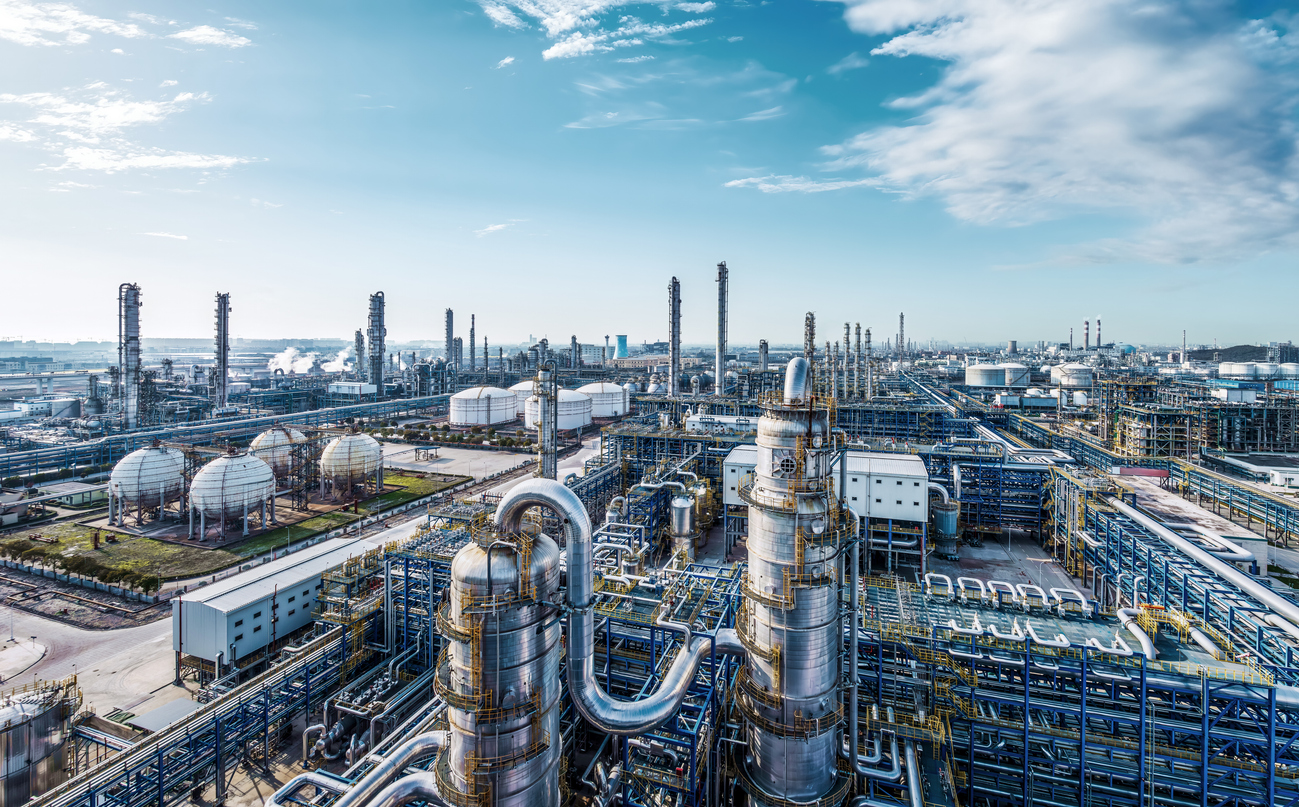
In most industrial facilities, water treatment systems are connected to a complex set of upstream and downstream treatment equipment. These components all must be compatible with one another to function properly, and proper steps must be taken to ensure that the potable water system is isolated from the process treatment equipment to ensure code compliance and prevent any cross contamination of the potable water system. Additionally, consideration must be made for the impact of the potable water system on the industrial treatment equipment capacity. For instance, the volume of water that may need to be directed to the potable system must be factored into the capacity of process treatment equipment that feeds the potable system. And any wastewater generated by the potable system must be accounted for in the process equipment for the plants overall wastewater treatment.
2. Regulatory compliance
Water treatment systems are governed by strict regulations imposed at local, state, and national levels. Adding a potable water system usually means an additional level of regulatory compliance associated with the production and distribution of potable water to the facilities employees.
To avoid risks associated with regulatory compliance, companies need to plan carefully and take the time to understand the regulatory landscape when building new facilities. When designing an industrial potable water treatment system, consider these best practices for maintaining regulatory compliance:
- Research compliance needs early in the process. Obtaining the necessary permits to operate a water treatment system can entail a lengthy applications process, often with multiple environmental impact assessments and inspections. Understanding permitting processes for water extraction and wastewater discharge at the outset can help to avoid unanticipated delays later in the project.
- Plan for ongoing regulatory compliance. Even after a water treatment system is up and running, the owner will need to monitor performance to ensure the system continues to operate within regulatory limits, especially as the equipment ages or as modifications are made. Ensuring that the system incorporates sensors and other current technologies to automate data collection and analysis can help to make compliance monitoring more manageable. Additionally, it can be helpful to consider modular components or other design elements that allow for future expansion or modification so that a facility can easily adapt to meet future changes in regulatory standards.
3. Budget overruns
Designing, fabricating, and installing an industrial potable water treatment system can be a significant undertaking.
Choosing the right water treatment solution means balancing the need for the required capacity and quality with the available budget. Solution designers can help to avoid budget overruns by adopting a few best practices:
- Don’t underestimate the cost of supporting infrastructure. The project budget should consider costs for any ancillary facilities or equipment that might need to be installed to support an industrial water treatment system. Upstream and downstream equipment, as well as pipes, tanks, pumps, and other components connected to the potable system should all be considered in the earliest planning phases to avoid any surprise capital expenses later on.
- Plan for long-term costs. Industrial potable water treatment systems consume their own energy, chemicals, labor, and maintenance that are not often considered in the operating costs of the process systems, leading to higher operational costs. Proper budgeting and forecasting are necessary to ensure that the operational costs of the potable system do not outweigh the benefits.
4. Source water availability
Industrial plants will most typically draw their water from bodies of groundwater or surface water, when they are not connected to a municipal supply. However, facilities that use large volumes of water can run into challenges like water rights disputes, regulatory limits on consumption, and seasonal variations in water quality—all of which can affect the reliability of the chosen water supply and can in turn hamper a facility’s productivity or potential for growth.
Engineers can leverage the following best practices to deal with challenges stemming from water reliability and availability:
- Implement a water reuse or recycling strategy. In some industries, water recycling or reuse systems can be integrated into the design to reduce overall water consumption and help a facility better cope with water scarcity challenges in both the short and long term.
- Create a backup water supply strategy. When planning to install a new industrial water treatment system, be sure to investigate historic seasonal variability patterns, such as droughts that might constrict water availability, or flooding events that affect quality. Even if disruptions seem somewhat unlikely, be sure to have a plan for backup water supply options like tanks, temporary treatment units, or secondary pipelines to mitigate the risks of water supply interruptions.
Conclusion
Designing industrial potable water treatment systems is a complex undertaking that demands a thorough assessment of many factors to ensure that the delivered solution ultimately performs as expected. Working with an experienced water treatment solution provider can help you to navigate a wide range of challenges, including infrastructure limitations, water quality control, regulatory compliance, integration of new technologies, and budget planning.
SAMCO has over 40 years of experience in engineering process separation and wastewater treatment systems. Our service offerings include comprehensive engineering, design, fabrication, and installation services to help you achieve a custom solution for any application, whether you’re looking to design a greenfield project from the ground up, retrofit an older system, maintain existing equipment, or source portable solutions to meet a temporary challenge, we’ve got you covered.
To find out more about SAMCO’s services, please feel free to contact us. Or, if you’ve already got a specific project in mind and want some help in planning your budget, reach out to request a quote. We can walk you through the steps for developing the proper solution and realistic cost for your needs. We also welcome you to explore our blog to learn more about water access and use in fast-growing industries, like semiconductor manufacturing, chemical processing, data centers, and power generation.