
Industry Currents: Cooling Water Strategy in the Age of AI and Data Center Growth
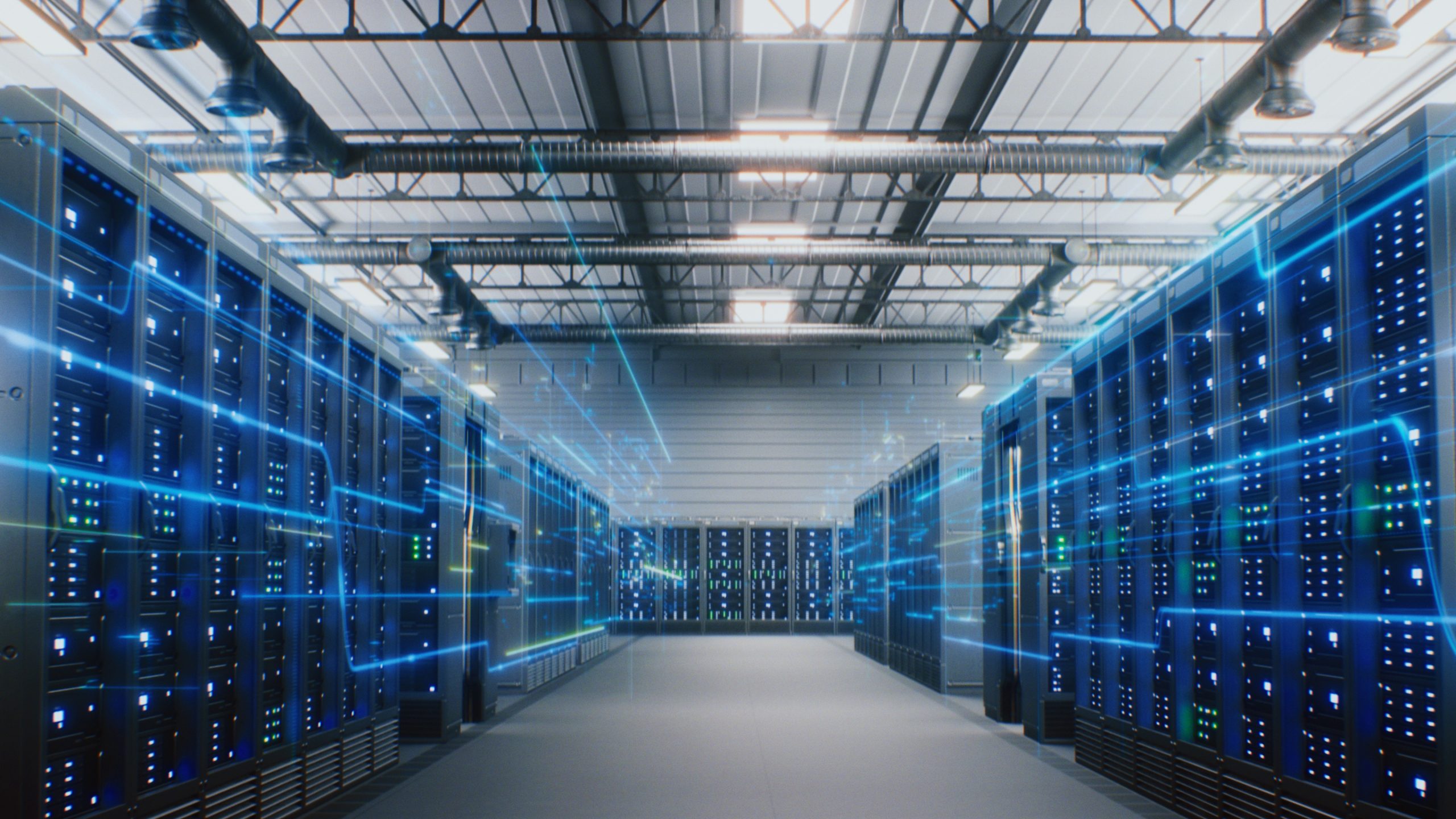
The rapid expansion of artificial intelligence and cloud infrastructure is reshaping electricity demand across the globe. Hyperscale data centers now require massive, reliable power supplies, prompting utilities and independent power producers to expand generation capacity at a pace not seen in decades.
While the conversation often focuses on grid capacity and energy sources, another critical constraint is emerging alongside power demand: cooling water availability.
As utilities race to support data center growth, cooling water systems are becoming a central factor in plant design, operational efficiency, and long-term sustainability.
Rising Demand Meets Resource Constraints
Traditional thermal generation relies heavily on cooling water to maintain efficient turbine operation. With new plants being proposed in regions already facing water stress, operators are increasingly confronting a difficult balance between meeting electricity demand and managing limited water resources.
Several trends are converging:
• Growth of hyperscale data centers requiring stable baseload power • Expansion of natural gas generation as a bridge fuel • Increasing scrutiny of industrial water withdrawals • Climate-driven variability in water availability
Together, these pressures are forcing utilities and EPC firms to rethink how cooling systems are designed and operated.
—
Innovation in Cooling Water Systems
To address these challenges, power producers are increasingly adopting advanced cooling strategies designed to reduce water consumption while maintaining reliability.
Key approaches include:
1. Closed-Loop Cooling Systems Recirculating cooling designs significantly reduce freshwater intake compared with once-through systems.
2. Hybrid Wet-Dry Cooling Combining evaporative cooling with air-cooled condensers helps balance water efficiency with energy performance.
3. Advanced Water Treatment and Reuse Treating blowdown streams for reuse allows facilities to recover valuable water while minimizing discharge volumes.
4. High-Recovery Membrane Systems Modern membrane technologies are improving water recovery while controlling scaling and fouling within cooling loops.
These innovations allow plants to operate more efficiently while responding to regulatory and environmental pressures.
—
Industry Implications
As electricity demand continues to rise, water availability will increasingly shape where new generation can be built and how existing plants operate.
For EPC firms and utilities, this means cooling water strategy must be integrated early in project design. Facilities that proactively adopt water-efficient technologies will be better positioned to secure permits, manage operating costs, and maintain community trust.
The intersection of energy demand and water resource management is becoming one of the defining challenges of modern power generation.
—
SAMCO’s Perspective
At SAMCO, we help power producers and EPC partners design water treatment systems that support reliable cooling performance while reducing environmental impact. From membrane-based recovery systems to advanced blowdown treatment and reuse, our solutions help operators optimize water usage across complex cooling systems.
As demand for power continues to accelerate, strategic water management will be essential to ensuring that generation infrastructure can scale sustainably.