
Industry Currents: Reliability Means Planning for Maintenance, Too
Industrial facilities depend on equipment that cannot operate indefinitely without attention.
Pumps require servicing. Filters need cleaning or replacement. Membranes require maintenance. Instruments need calibration, and individual components eventually reach the end of their service life.
For facilities operating around the clock, these activities create an important engineering challenge.
The water system must remain capable of supporting production even when portions of that system are temporarily unavailable.
That makes reliability more than a question of how equipment performs under normal conditions.
It’s also a question of what happens when equipment needs to come offline.
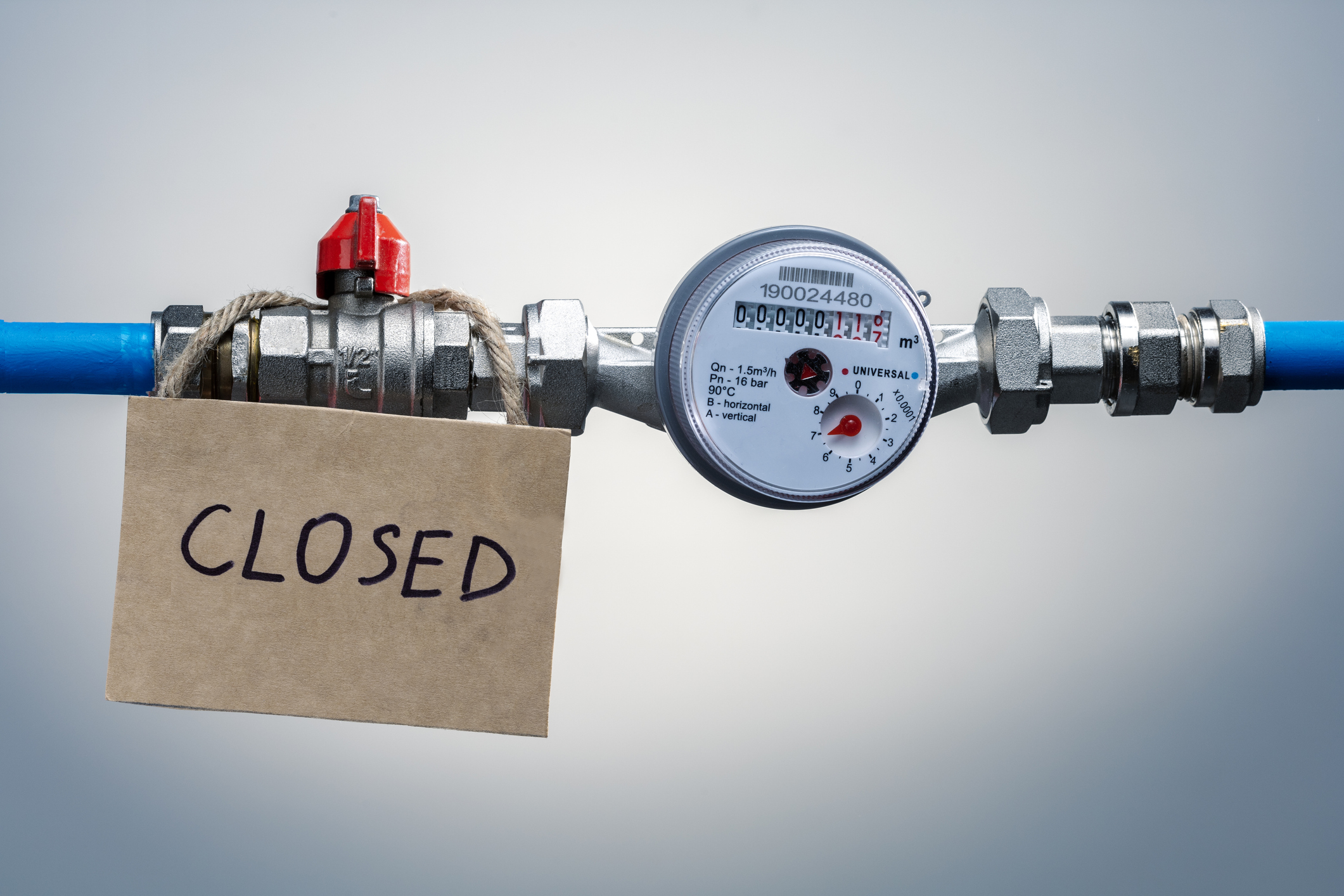
Maintenance Is an Operating Condition
Industrial water systems are designed to meet defined flow, quality, and performance requirements.
Those requirements are typically established around the facility’s anticipated operating needs. But the system must also accommodate the activities necessary to keep it functioning over time.
Routine maintenance is one of those activities.
A filter may need to be isolated for service. A pump may require repair. A treatment train may need to be taken offline for cleaning or inspection.
For facilities with flexible production schedules, some of this work can be coordinated around planned downtime.
Continuous operations present a different challenge.
When water demand continues during maintenance, the system must have a way to accommodate that demand without compromising required treatment performance.
This is where maintenance planning becomes part of the original engineering conversation.
Redundancy Is About More Than Backup Equipment
Redundancy is one approach to supporting continuity.
Parallel pumps, multiple treatment trains, standby equipment, and appropriately designed storage can provide options when individual components are unavailable.
But adding redundant equipment doesn’t automatically guarantee uninterrupted operation.
The arrangement matters.
A standby pump provides limited protection if the equipment or utilities supporting both pumps create a common point of failure. Multiple treatment trains may offer operational flexibility, but only if the surrounding piping, valves, controls, and supporting infrastructure allow them to function as intended.
The appropriate level of redundancy also depends on the application.
Not every component requires duplication, and not every facility has the same tolerance for reduced capacity or temporary interruptions.
The objective is to understand where equipment availability matters most and develop a configuration that reflects those requirements.
Design for the Work That Has to Happen
Maintenance requirements influence more than equipment selection.
They affect how a system is arranged, isolated, accessed, and operated.
Can a component be serviced without shutting down an entire treatment train? Can operators safely isolate equipment while maintaining necessary flow elsewhere? Is there sufficient capacity to meet essential demand when one part of the system is unavailable?
These questions have practical consequences for system design.
They can influence piping arrangements, valve placement, equipment configuration, controls, and the amount of operational flexibility built into the system.
They also help distinguish between a system designed to operate reliably under ideal conditions and one designed for the realities of long-term industrial service.
Availability Is a System-Level Consideration
An individual piece of equipment may have a strong reliability record without guaranteeing the availability of the complete treatment system.
That distinction matters for facilities where water is essential to production.
System availability depends on how equipment, supporting utilities, operating procedures, maintenance requirements, and recovery capabilities work together.
A facility may have highly reliable treatment equipment but still experience interruptions if routine servicing requires extended shutdowns.
Conversely, a thoughtfully configured system may be able to accommodate certain maintenance activities while continuing to meet essential operating requirements.
For EPC teams and facility owners, evaluating availability therefore requires looking beyond individual equipment specifications.
It means considering how the complete system will function throughout its operating life, including periods when portions of it are unavailable.
Looking Ahead
Industrial water reliability isn’t achieved by eliminating maintenance.
It’s achieved, in part, by recognizing maintenance as an expected operating requirement and engineering accordingly.
That means understanding which components are essential, where redundancy or operational flexibility may be appropriate, and how routine servicing can be accommodated without creating unnecessary disruption.
For facilities where production depends on continuous water availability, those decisions can be just as consequential as treatment technology selection.
A reliable water system isn’t simply one that performs when every component is operating. It’s one designed with a clear understanding of what happens when they aren’t.