Industry Currents: Decentralized Water Systems Are Changing How Projects Are Delivered
As industrial projects become more complex and timelines tighten, decentralized water treatment systems are gaining traction as a flexible alternative to traditional infrastructure.
Rather than relying solely on large, centralized treatment facilities, many projects are now incorporating modular and containerized systems.
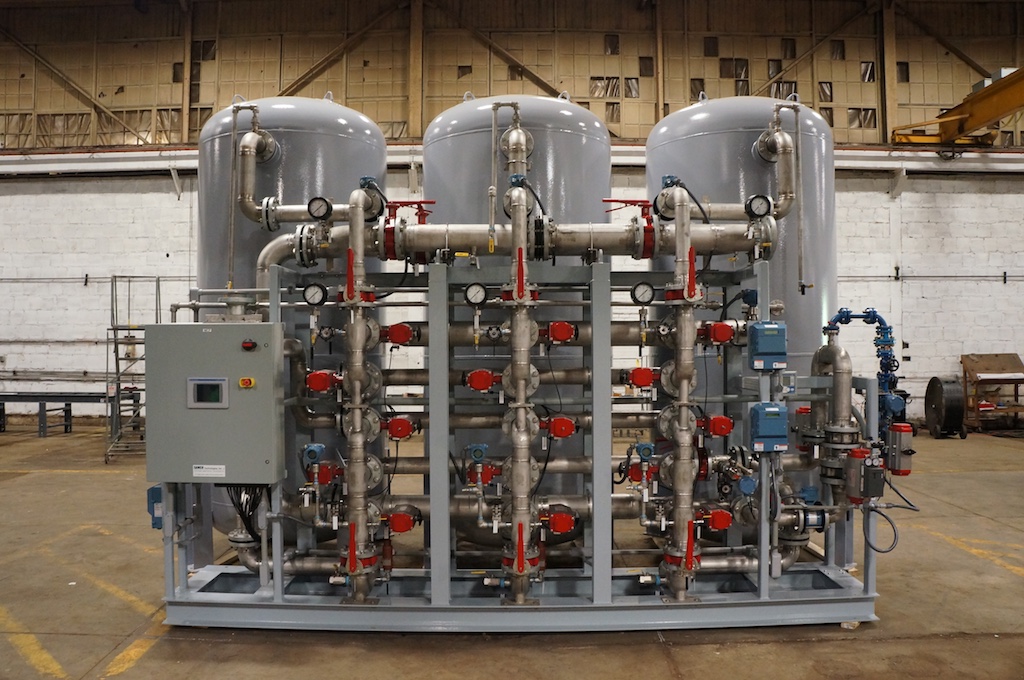
A Shift in Project Delivery
Decentralized systems offer several advantages:
- Faster deployment timelines
• Reduced upfront capital investment
• Flexibility for phased expansion
• Ability to pilot and validate technologies onsite
These benefits are particularly valuable in emerging markets and fast-moving industries where project conditions can change quickly.
Applications Across Industries
Decentralized systems are being used in a wide range of applications:
- Pilot testing for new treatment technologies
• Temporary or interim treatment solutions
• Remote or space-constrained facilities
• Early-stage project validation
As industrial processes evolve, the need for adaptable water infrastructure continues to grow.
Industry Implications
The shift toward decentralized systems reflects a broader trend toward flexibility and risk reduction in industrial project design.
EPC firms and developers that embrace modular approaches will be better equipped to respond to changing requirements and accelerate project timelines.
SAMCO’s Perspective
SAMCO’s containerized and modular treatment systems provide clients with flexible, scalable solutions for complex water challenges. From pilot testing to full deployment, our systems help reduce risk and improve project outcomes.